Walk into any conversation about senior health and you will eventually hit the same tension. On one side sits a cabinet full of prescription bottles, and a worry that it has grown too crowded. On the other sits a growing shelf of teas, supplements, and natural remedies, and a hope that maybe some of them could replace a pill or two. Somewhere in the middle stands an older adult, or the family member helping them, trying to figure out what is actually safe and what actually works.
It is an understandable place to be. Many seniors take several medications, sometimes more than they or their families are comfortable with, and the appeal of a gentler, more natural path is real. At the same time, the internet overflows with confident claims about miracle cures, and it is genuinely hard to know what to believe.
Here is the reframe worth holding onto before we go further: this was never truly a battle of pills against plants. The healthiest approach for most seniors is not choosing one side and rejecting the other. It is finding the right balance between them, guided by evidence and, above all, by your medical team. Let’s walk through how to think about it wisely and safely.
The False Binary: It Is Not One or the Other
The “versus” framing makes for a catchy debate, but it sets up a choice that does not reflect how good senior care actually works. Conventional medications and natural approaches are not enemies competing for the same job. They are different tools, each with genuine strengths and genuine limits.
Medications can do things lifestyle changes cannot, like controlling blood pressure that diet alone will not budge, managing heart failure, or keeping blood sugar in a safe range. Natural and lifestyle approaches can do things medications cannot, like building resilience, improving daily energy and mood, and addressing the root habits that shape long-term health. The smartest wellness plans draw on both, matched to the situation, rather than treating either as a complete answer on its own.
So the useful question is never “pills or plants?” It is “what does this specific person actually need, what does the evidence support, and how do all the pieces fit together safely?”
The Real Power of Natural and Lifestyle Approaches
It would be a mistake to dismiss the natural side as wishful thinking, because the most powerful “natural remedies” of all are not exotic at all. They are the foundational habits that decades of solid research consistently support. This is often called lifestyle medicine, and its effects are real.
Nutrition. A diet rich in vegetables, fruits, whole grains, lean proteins, and healthy fats genuinely influences blood pressure, blood sugar, cholesterol, inflammation, and energy. Food is not a substitute for needed medication, but it is one of the most powerful health levers a person has.
Movement. Regular activity appropriate to a person’s ability improves strength, balance, mood, sleep, and the management of nearly every chronic condition. It is close to a wonder drug, and it comes without a prescription.
Sleep. Restorative sleep supports memory, immune function, mood, and healing. Protecting it is one of the most underrated wellness moves in later life.
Stress reduction and connection. Chronic stress and isolation take a real physical toll on older adults, while practices like gentle breathing, time outdoors, hobbies, and staying socially connected measurably support wellbeing.
Notice that none of these require a supplement bottle. This is where the natural approach is at its strongest and safest, and it is where families can lean in with confidence.
The Real Power, and Necessity, of Medications
It is equally important not to romanticize the natural side into abandoning the conventional one. For many conditions, medication is not optional, and treating it as if it were can be dangerous.
Some conditions genuinely require medication to prevent serious harm. Blood thinners prevent life-threatening clots. Heart failure and blood pressure medications prevent strokes and hospitalizations. Insulin and diabetes medications prevent organ damage. Stopping or reducing these on the hope that a natural remedy will fill the gap is one of the most dangerous things a senior can do, and it happens more often than it should.
This leads to the most important rule in this entire article: never stop, reduce, or change a prescribed medication without talking to your doctor first. Not because natural approaches have no place, but because these decisions have real consequences and belong in a conversation with the professional who knows your full picture. If your goal is to reduce your medications, that is a completely reasonable goal to bring to your doctor, and often an achievable one, but the path there runs through your care team, not around it.
“Natural” Does Not Automatically Mean “Safe”
This is the single most important safety message for seniors, and it is the one marketing works hardest to obscure. The word natural sounds gentle and harmless, but it is not a guarantee of either. Plenty of natural substances are powerful, and powerful substances can cause harm, especially in older bodies and especially alongside other medications.
Older adults are particularly vulnerable for a few reasons. They often take multiple medications, which multiplies the chances of an interaction. Aging changes how the body processes substances, so effects can be stronger or last longer. And supplements are not regulated the way prescription drugs are, meaning quality, purity, and even the actual contents of a bottle can vary widely.
The interactions are not hypothetical. To name just a few well-documented examples that matter for seniors: St. John’s Wort, often taken for mood, can dangerously reduce the effectiveness of a long list of prescription drugs. Ginkgo and high-dose fish oil can increase bleeding risk, which is especially serious for anyone on a blood thinner. Grapefruit, natural as it is, interferes with how the body handles several common medications, including certain cholesterol and blood pressure drugs. Even something as ordinary as vitamin K rich foods or supplements can throw off the balance of a blood thinner like warfarin.
The takeaway is not fear. It is respect. Natural remedies deserve the same care and the same conversations as any medication, because in the body, that is exactly what many of them act like.
The Golden Rule: One Team, Full Disclosure
If you remember nothing else, remember this: tell your doctor and pharmacist about everything you take. Every supplement, every vitamin, every herbal tea, every remedy a friend recommended. Not because they will disapprove, but because they can only keep you safe if they can see the whole picture.
Far too many seniors keep their supplements a secret, assuming that natural products are not worth mentioning or fearing a lecture. This silence is where the real danger lives. A pharmacist, in particular, is an outstanding and often free resource for checking interactions, and reviewing everything together, prescriptions and supplements side by side, is one of the smartest wellness habits a family can build.
Bring the actual bottles to appointments. Keep one combined list. Treat your prescriptions and your natural remedies as parts of a single plan managed by one team, not two separate worlds that never speak to each other.
How to Evaluate a Natural Remedy Wisely
When you are curious about a natural remedy, a few questions help separate the promising from the pointless or the risky.
What does the actual evidence say? Some natural approaches have reasonable research behind them, while many popular ones have little more than testimonials. Be honest about which is which, and lean on quality sources rather than product marketing.
Where is the claim coming from? Be skeptical of anyone selling the product they are praising. Independent information is worth more than a sales page.
Does it promise too much? Real remedies have modest, specific effects. Claims of a “miracle cure,” a single product that fixes many unrelated conditions, or anything urging you to “throw away your medications” are bright red warning flags. Responsible health guidance rarely shouts.
Is the quality trustworthy? Because supplements are loosely regulated, look for reputable brands and third-party testing, and know that “natural” on a label is a marketing word, not a safety certification.
Have you run it by your team? The final and most important check. A quick call to your pharmacist can catch a problem before it starts.
Where the Two Sides Meet: A Balanced Path
The most sensible approach for most seniors looks something like this. Build the foundation with lifestyle medicine, the genuinely powerful and low-risk habits of good nutrition, movement, sleep, stress management, and connection. Take needed medications faithfully and as prescribed, and bring any wish to reduce them to your doctor as a shared goal. Approach supplements and herbal remedies with curiosity but real caution, always cleared through your care team. And keep everything visible to one coordinated set of professionals.
This is not a compromise between two camps. It is simply good, whole-person care, using every safe and effective tool available and skipping the ones that are neither.
A Companion to the Pills vs. Plants Conversation
If these questions fascinate you, you are not alone, and this article pairs naturally with the ongoing conversation on the Pills vs. Plants podcast, which digs into exactly this territory: where conventional medicine and natural approaches clash, where they complement each other, and how everyday people can navigate the middle wisely. Consider this piece a practical companion to that discussion. The podcast explores the ideas and the debate; this guide offers the ground rules for applying them safely at home. Together they point toward the same conclusion, that the goal is not to win an argument for one side, but to help seniors live better using the best of both.
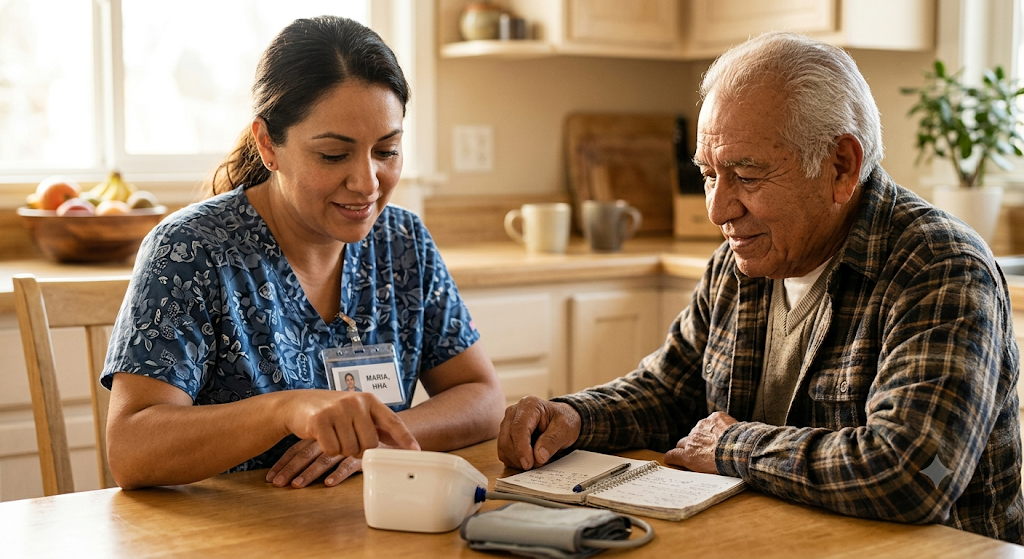
At Manifest Home Health, we see this balance play out in real homes every day. Our clinicians help families sort evidence from hype, keep prescriptions and natural remedies coordinated and safe, and build the everyday lifestyle habits that do so much of the quiet work of staying well. Whole-person wellness means respecting both the pharmacy and the produce aisle, and refusing to let either one operate in the dark.
The Bottom Line
The question was never really pills versus plants. It is about finding the balance that keeps a senior safest and healthiest, drawing on the genuine strengths of conventional medicine and the genuine strengths of natural, lifestyle-based wellness, while respecting the real risks that come with mixing them carelessly.
Build your foundation on the powerful basics. Take your medications as prescribed, and make any changes with your doctor, never on your own. Treat “natural” with the same respect you give any medication. And keep one team informed of everything. Do that, and you do not have to choose a side at all. You get the best of both, and the safety of neither being left to chance.
This article is for general educational purposes only and is not a substitute for professional medical advice. Do not start, stop, or change any medication or supplement without consulting your physician or pharmacist. Individual health needs and interactions vary, and only your care team can advise on your specific situation.
 English